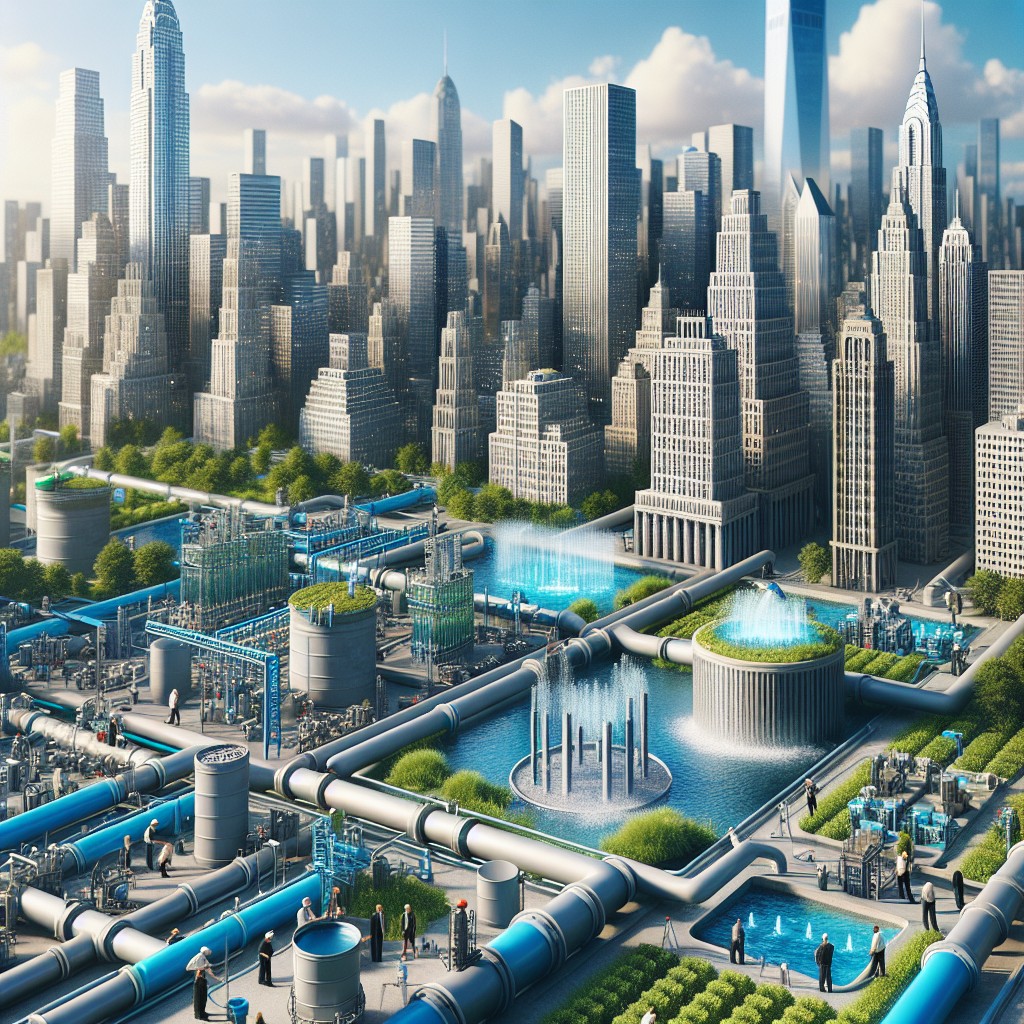
Water stress is an escalating global concern, affecting millions of people and challenging urban infrastructures. As major cities grapple with diminishing water resources and increasing demand, innovative strategies are emerging to balance supply and demand effectively.
Understanding the growing challenge of water stress
Water stress occurs when the demand for water exceeds the available amount during a certain period or when poor quality restricts its use. This phenomenon is intensifying around the world due to factors such as population growth, urbanization, climate change, and inadequate management of water resources. According to the World Resources Institute, nearly 17 countries face extremely high levels of water stress, with many major urban centers among them. The water stress situation compels cities to rethink how they procure and conserve water.
City-level impacts and the urgency for intervention
Major cities often rely on distant water sources, making them vulnerable to environmental variability and infrastructure limitations. For instance, Cape Town’s 2018 water crisis highlighted how close a major city can come to running out of municipal water. Similarly, cities like São Paulo and Chennai have confronted severe shortages that disrupted daily life and economic activity. These experiences underline the urgency of addressing water stress proactively through sustainable urban planning and resource management.
Innovative approaches to redesigning water supply
Cities worldwide are adopting diverse methods to increase water supply resilience. Investments in infrastructure modernization include upgrading pipelines, reducing leakages, and improving treatment plants for wastewater recycling. Desalination has gained prominence in coastal cities, providing an alternative source while raising concerns about energy consumption and environmental impact. Moreover, some urban areas are utilizing smart water systems that use real-time data to optimize distribution and detect losses. These initiatives collectively contribute to mitigating water scarcity under growing stress.
Demand-side management and behavioral change
Adjusting water consumption patterns is critical in reducing overall demand. Public awareness campaigns promote the efficient use of water in homes and businesses, reaching consumers with targeted messaging about wastage and conservation. Regulatory measures, including water pricing mechanisms and restrictions on non-essential use during droughts, encourage responsible consumption. Technologies such as water-efficient appliances and rainwater harvesting systems are increasingly integrated into urban settings to support durable demand reduction. These approaches help balance demand alongside enhanced supply.
Future outlook: integrated solutions for sustainable water management
The complexity of water stress demands comprehensive frameworks combining technological innovation, policy measures, and community engagement. Urban planners and policymakers recognize the importance of cross-sector collaboration to ensure water security. Investing in data systems for better monitoring and predictive modeling is also crucial. As cities adapt to changing climatic and demographic realities, the continuous redesign of water supply and demand strategies will be vital to sustain urban life and economic growth.
Frequently Asked Questions about water stress
What is the primary cause of water stress in major cities?
The primary causes of water stress in major cities include population growth, climate change, increased water consumption, and inefficient water management systems that fail to keep pace with demand.
How does water stress affect urban populations?
Water stress can lead to water shortages, impact public health, disrupt economic activities, and decrease the quality of life in urban populations by limiting access to clean and sufficient water.
What strategies do cities use to reduce water stress on the supply side?
Cities improve water supply by investing in infrastructure upgrades, adopting desalination technologies, recycling wastewater, and implementing smart water management systems to reduce losses and optimize distribution.
How do demand-side measures help in managing water stress?
Demand-side measures encourage water conservation through public awareness, regulatory policies, water-efficient technologies, and behavioral changes that lower overall water use, thus alleviating water stress.
Is climate change a significant factor contributing to water stress?
Yes, climate change affects rainfall patterns and increases the frequency of droughts, which exacerbates water stress by reducing available freshwater resources in many urban areas.