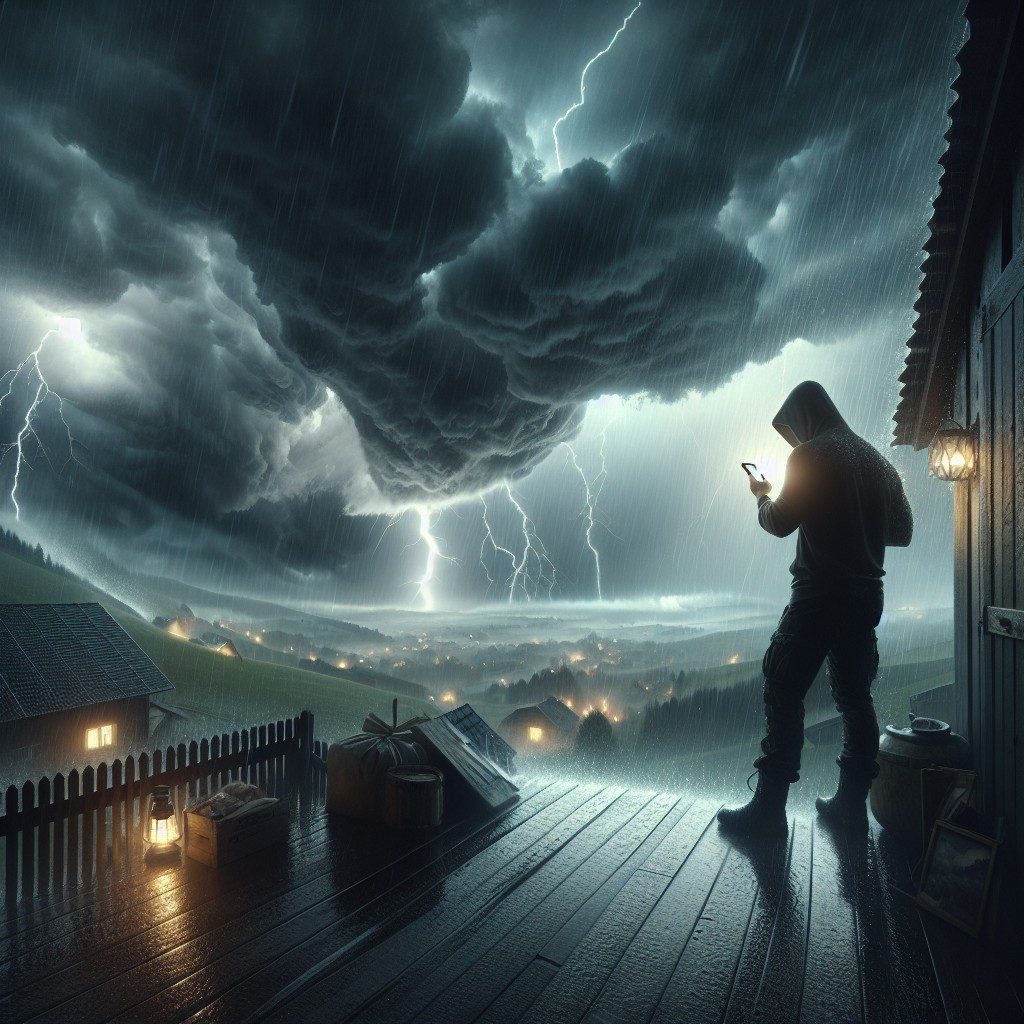
Romania has increasingly faced extreme weather conditions in recent years, prompting authorities and citizens alike to pay closer attention to weather alerts Romania. Rapid response during the first hour of such alerts is crucial in minimizing damage and ensuring safety. This article outlines essential steps to take immediately following weather warnings to prepare and protect yourself and your family.
Understanding the types of weather alerts in Romania
Romania’s meteorological authorities issue a range of weather alerts depending on the severity and type of imminent weather threats. These warnings include yellow, orange, and red alerts for phenomena such as heavy rainfall, thunderstorms, floods, strong winds, heatwaves, or snowstorms. Knowing the specific alert levels helps residents assess the urgency of the situation and tailor their preparations accordingly. The National Meteorological Administration (ANM) regularly updates these alerts and provides detailed forecasts. Staying informed through official channels ensures timely awareness of potential hazards.
Immediate actions to take when an alert is issued
Once a weather alerts Romania warning is received, the first hour is critical for safety. Individuals should seek reliable sources to confirm the alert and understand its implications. Securing loose outdoor objects that could become projectiles, closing windows and doors, and unplugging electrical appliances reduce the risk of injury and property damage. If evacuation orders are issued, following instructions promptly and having a pre-packed emergency kit can save lives. It is also important to avoid travel unless absolutely necessary, as extreme weather may cause hazardous road conditions.
Communication and information channels during extreme weather
Effective communication plays a vital role during weather emergencies. The Romanian government and meteorological institutions disseminate alerts via television, radio, websites, and mobile applications. Utilizing official social media accounts and subscribing to SMS alert services can provide real-time updates. Coordination between local authorities and emergency services is essential to manage public safety. Familiarizing oneself with these communication channels prior to an event ensures that critical information is received without delay during the first hour of the alert.
Preparing your home and personal safety measures
Homes and inhabitants should be prepared in advance to withstand extreme weather events common in Romania. Reinforcing doors and windows, clearing gutters, and checking drainage systems aid in reducing flood risks. During the first hour of a weather alert, individuals should position themselves in safe areas within the house, away from glass and exterior walls. Having access to emergency supplies such as water, food, flashlights, and a battery-powered radio is essential. Those with medical conditions must ensure medications are accessible. These precautions, implemented immediately after receiving weather alerts Romania, enhance resilience against potential damages.
Role of authorities and emergency services in the first hour
Government agencies and emergency responders act swiftly to assess risks and coordinate relief efforts following extreme weather warnings in Romania. Their responsibilities include deploying rescue teams, issuing evacuation notices, and providing public advisories. Effective collaboration with local communities during the first hour after a weather alert ensures the most vulnerable populations receive assistance. Additionally, emergency services monitor infrastructure conditions to mitigate hazards such as landslides or power outages. Citizens are encouraged to comply with official guidance to facilitate these operations.
Conclusion
Extreme weather alerts in Romania demand prompt and informed action within the first hour to safeguard lives and property. Increasing frequency and intensity of such events necessitate heightened public awareness and preparedness. As meteorological technology and communication systems improve, Romania’s capacity to respond effectively is expected to strengthen. By understanding alert levels, securing personal safety, and cooperating with authorities, residents can significantly reduce the impact of severe weather incidents.
Frequently Asked Questions about weather alerts Romania
What types of weather alerts Romania typically issues?
Romania issues color-coded alerts including yellow, orange, and red to indicate increasing severity of weather conditions, such as storms, floods, heatwaves, and snow.
Where can I find official weather alerts Romania updates?
Official updates are available through the National Meteorological Administration (ANM) website, government portals, and recognized international weather services.
How quickly should I act after receiving weather alerts Romania?
Immediate action within the first hour is recommended to ensure safety, including securing property, following evacuation orders, and accessing emergency kits.
Do weather alerts Romania cover all regions uniformly?
Alerts are region-specific based on forecasted conditions, so it is important to monitor alerts applicable to your local area within Romania.
How reliable are the weather alerts Romania in predicting extreme events?
Weather alerts in Romania are based on advanced meteorological data and predictive models, making them a dependable tool for early warning and preparation.