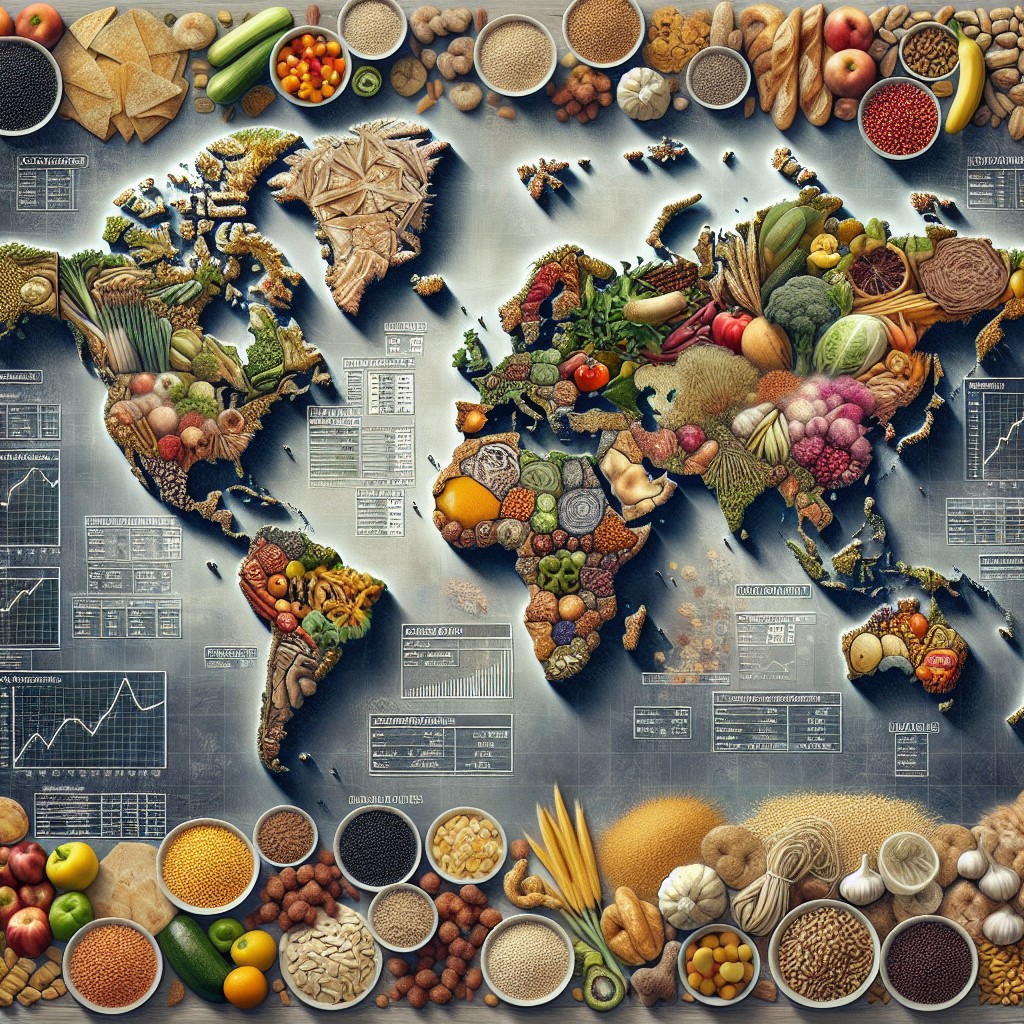
A groundbreaking study released this week sheds new light on future health trends expected to affect global populations by 2026. Researchers from a consortium of international medical institutions compiled vast amounts of Health Data to offer insights into rising health issues and the changing landscape of public health.
Key Findings from the Study
The comprehensive analysis evaluated health data from over 190 countries, revealing that chronic diseases such as diabetes and hypertension are projected to see a significant increase by 2026. The study identifies preventative care as an essential strategy, highlighting that addressing these looming health threats early could mitigate the impact of such conditions on healthcare systems worldwide.
The Impact of Lifestyle Changes
One of the most surprising revelations from the health data is the correlation between lifestyle choices and the prevalence of chronic diseases. As urbanization accelerates, sedentary lifestyles and poor dietary habits are becoming more prevalent. The study suggests that public health initiatives focusing on nutrition education and promoting physical activity are crucial in combating these trends, particularly among younger demographics.
Global Health Policy Implications
The findings also underline the need for proactive global health policies. Policymakers are urged to consider the projections in the study while formulating strategies to allocate resources effectively. The emphasis on preventive rather than reactive healthcare approaches could transform the efficiency of health systems, reduce costs, and improve overall public health outcomes by 2026.
Frequently Asked Questions about Health Data
What is Health Data?
Health data refers to the collected information regarding the health status of populations and is crucial for forming public health policies and clinical practices.
How is Health Data collected?
Health data is typically collected through surveys, health records, and various monitoring systems established by health organizations.
Why is Health Data important for predicting health trends?
Health data is vital for predicting health trends because it provides insights into the prevalence of diseases, risk factors, and the effectiveness of interventions over time.
Who uses Health Data?
Health data is used by policymakers, researchers, healthcare providers, and public health organizations to improve health outcomes and inform strategies.
How can individuals contribute to Health Data?
Individuals can contribute to health data by participating in surveys and health studies, as well as by providing accurate health information to healthcare providers, which helps to create an accurate health landscape.