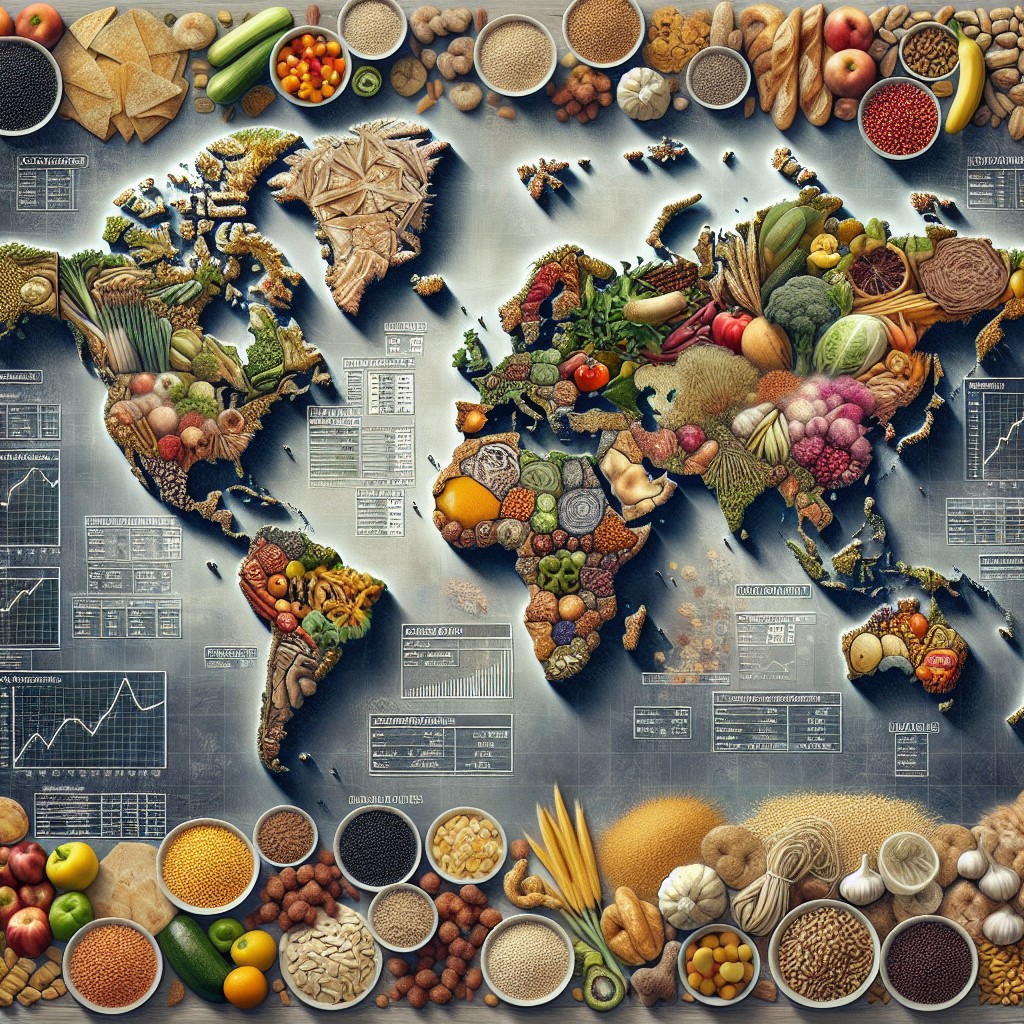
Food price shocks have become a significant global concern, impacting economies, households, and food security worldwide. These sudden and pronounced increases in the cost of food products affect diverse regions differently, depending on local economic structures, supply chains, and exposure to international markets. Understanding the causes behind these price shocks is essential for policymakers and stakeholders aiming to mitigate their adverse effects.
The Role of Supply Chain Disruptions
One of the primary triggers of food price shocks is disruption in supply chains. Factors such as natural disasters, logistical bottlenecks, and labor shortages can interrupt the smooth flow of food from producers to consumers. For instance, extreme weather events have increasingly damaged crops and infrastructure, leading to reduced supply and higher prices. Additionally, the COVID-19 pandemic exposed vulnerabilities in global supply chains, complicating transportation and distribution, which escalated costs for exporters and importers alike.
Impact of Geopolitical Tensions and Conflicts
Geopolitical conflicts and trade restrictions also contribute substantially to food price shocks. When major food-producing regions experience political instability or armed conflict, agricultural output and exports can decline sharply. For example, conflicts in regions that supply significant portions of the world’s wheat or maize can reduce global availability, forcing price spikes. Trade embargoes and export bans further limit market access, reducing supply in dependent countries and intensifying price volatility.
Climate Change and Agricultural Output
Climate change continues to influence the frequency and intensity of food price shocks. Changes in temperature, precipitation patterns, and an increase in extreme weather events affect crop yields across various regions. Some areas experience droughts leading to production shortfalls, while others face flooding that damages arable land. These shifts not only reduce total outputs but also alter the geographic distribution of food production, heightening uncertainty and the risk of local price surges.
Global Market Speculation and Commodity Prices
Financial market activities, including speculation on commodity futures, can amplify food price shocks. Investors reacting to anticipated supply shortages or geopolitical events may drive up prices beyond what fundamental supply and demand factors suggest. While markets often provide essential price signals, excessive speculation can cause erratic price movements, making it difficult for farmers and consumers to plan. This complex interaction between physical markets and financial instruments is a growing focus in understanding recent food price shocks.
Currency Fluctuations and Inflationary Pressures
Currency depreciation and inflation are additional mechanisms triggering food price shocks, particularly in import-dependent countries. When local currencies weaken against the dollar or euro, the cost of imported food products rises, leading to higher domestic prices. Inflationary trends in wages, fuel, and fertilizer costs also push food prices upward. These macroeconomic factors interplay with supply-side constraints to exacerbate price instability, disproportionately affecting low-income populations.
Conclusion: Navigating a Complex Challenge
Food price shocks remain a multifaceted challenge influenced by environmental, geopolitical, economic, and financial factors. As global interconnections deepen, vulnerabilities in supply chains and markets increase exposure to sudden price disruptions. Policymakers and international institutions continue to seek strategies to enhance resilience, including diversified sourcing, improved market transparency, and climate-adaptive agriculture. Given ongoing geopolitical tensions and climate risks, food price shocks are likely to persist, requiring coordinated efforts to protect food security across regions.
Frequently Asked Questions about food price shocks
What are the main causes of food price shocks?
Food price shocks are mainly caused by supply chain disruptions, geopolitical conflicts, climate change impacts on agriculture, market speculation, and currency fluctuations, all of which affect food availability and costs.
How do food price shocks impact different regions?
The impact varies by region depending on factors like local agriculture, reliance on imports, economic stability, and exposure to global markets, leading to different degrees of price volatility and food insecurity.
Can climate change increase the frequency of food price shocks?
Yes, climate change alters weather patterns and increases extreme events such as droughts and floods, which disrupt agricultural production and contribute to more frequent and severe food price shocks.
What role do financial markets play in food price shocks?
Financial markets, through commodity speculation and futures trading, can amplify food price volatility by reacting to anticipated supply or demand shifts, sometimes beyond actual physical market conditions.
How can countries reduce the risk of food price shocks?
Countries can reduce risks by diversifying food sources, improving storage and logistics, implementing social safety nets, and investing in climate-resilient agriculture and transparent markets to buffer against sudden price increases.